Mercedes-AMG Sets Out a New Direction for the GT
Affalterbach is rethinking what a grand tourer should be — balancing tradition, electrification and the emotion that defines AMG.
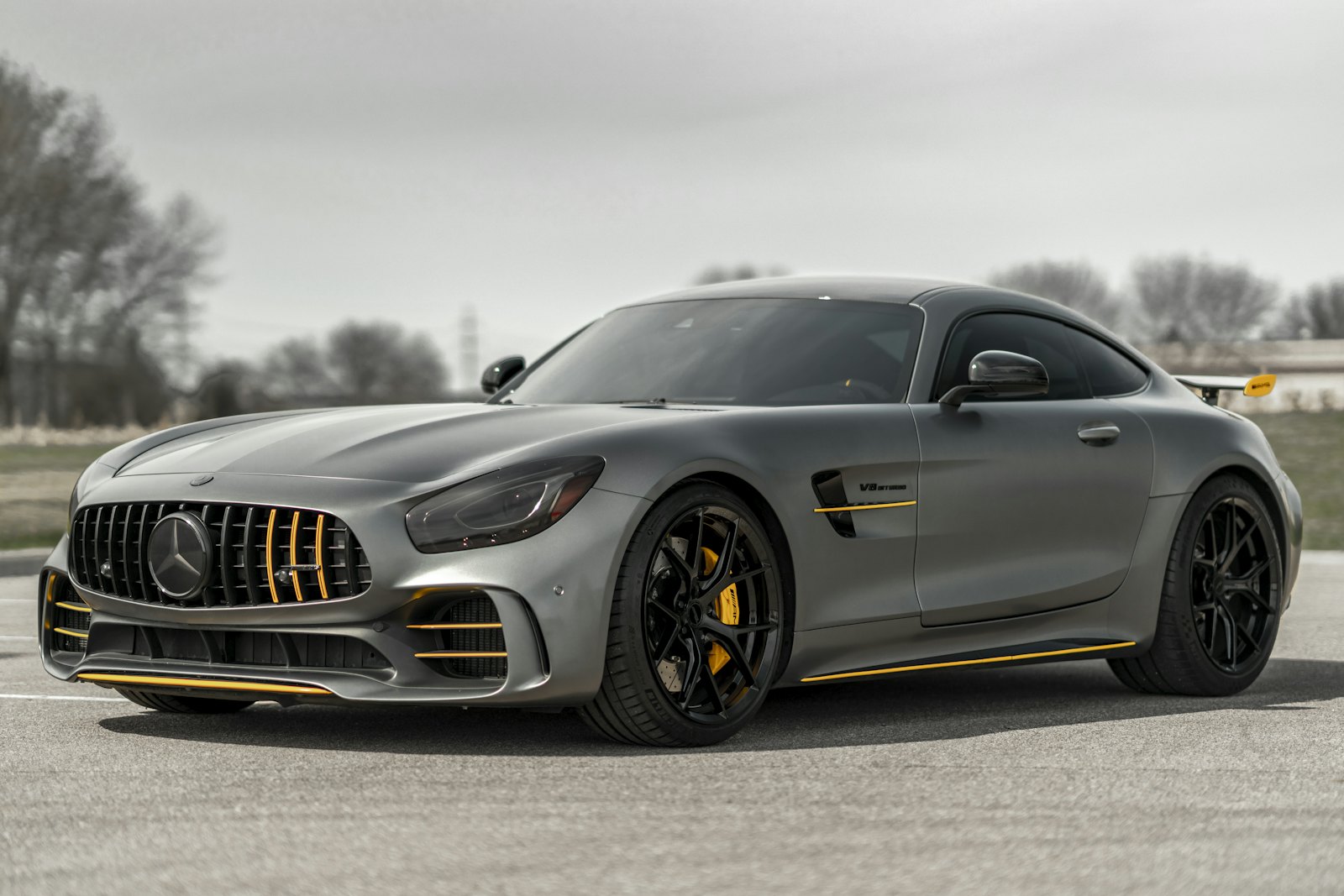
For more than a decade, the AMG GT has been the clearest expression of what Mercedes-AMG believes a performance car should be: long-bonneted, rear-driven and unapologetically emotional. The brand's next chapter keeps that silhouette but asks a harder question — what does a grand tourer mean in an age of regulation, electrification and changing buyers?
Why the GT matters to AMG
The GT is AMG's halo product. It is the car that defines the brand's image, sets the tone for its design language and proves that the company can build something without a three-pointed-star sedan underneath. Every decision taken here filters down into the wider range.
That is why the direction matters. A heavier, more technology-led GT would signal one future; a lighter, more focused car would signal another.
Balancing heritage and the future
AMG's engineers face a familiar tension. Customers want the theatre of a V8, but emissions rules demand efficiency. Hybrid assistance can deliver both, but it adds mass — the enemy of agility. The answer, it seems, lies in careful packaging rather than headline power figures.
The best grand tourers are judged not by their peak numbers, but by how they feel at the end of a long day.
What to watch
Expect the next phase of the GT to be judged on three things: weight, steering feel and the character of its powertrain. If AMG gets those right, the badge will continue to mean something. For comparison, read our analysis of how Porsche approached the same problem in the 911 GT3.