Electric Performance Cars Enter Their Second Generation
The first wave proved electric cars could be fast. The second must prove they can be engaging, light and worth keeping.
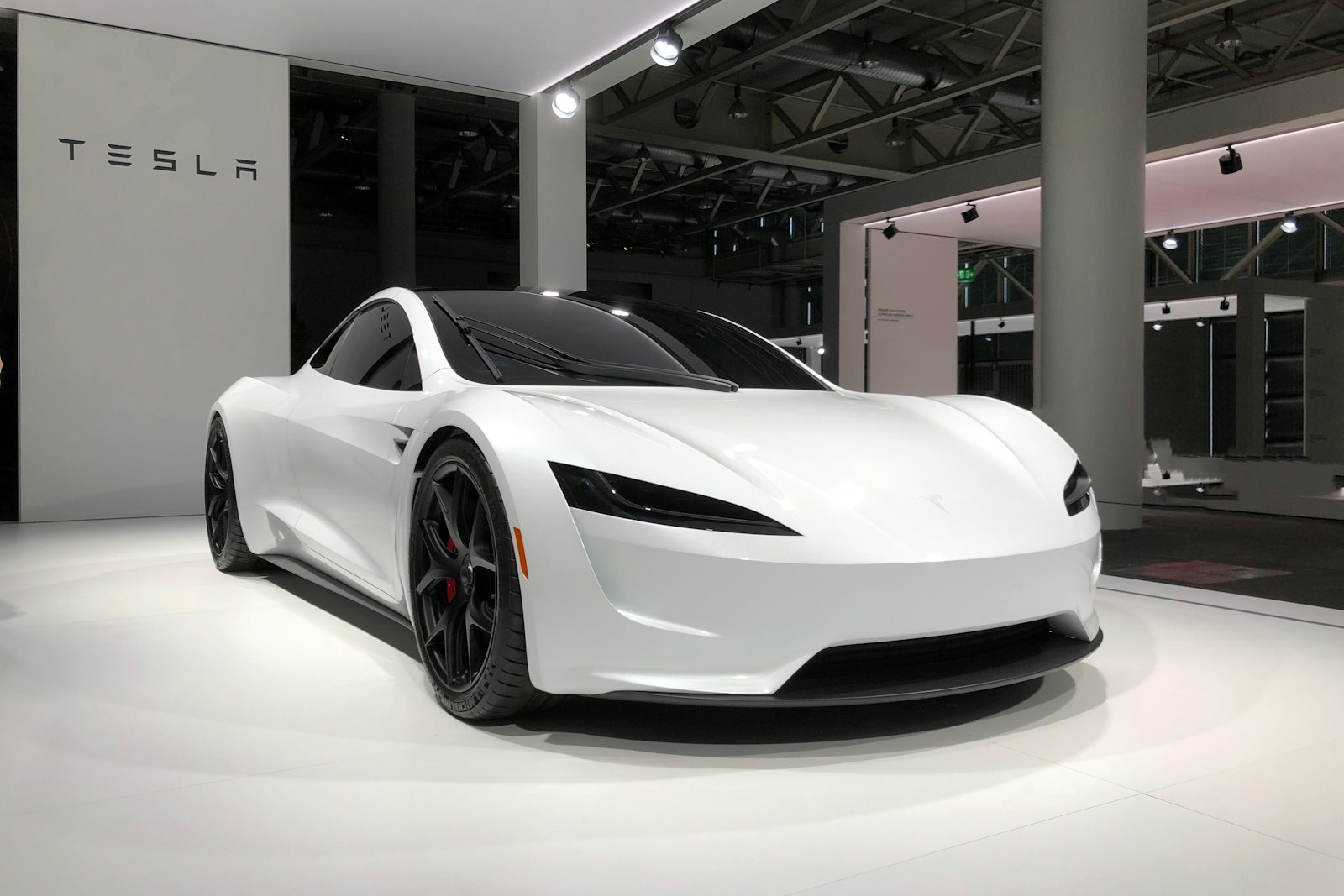
When the first electric performance cars arrived, they rewrote the acceleration charts almost overnight. Instant torque made family saloons quicker than supercars from a standstill. But speed in a straight line was never the whole story, and the industry knows it.
From numbers to feeling
The second generation of electric performance cars is shifting focus. Engineers now talk less about 0–100 km/h times and more about weight distribution, thermal management on track, steering response and sound design. The goal is no longer just to be fast, but to be involving.
The weight problem
Batteries remain heavy. Every kilogram affects braking, tyre wear and agility. New cell chemistry, structural battery packs and smarter cooling are helping, but physics still sets limits. The most interesting cars will be those that accept smaller batteries in exchange for lighter, more agile chassis.
What it means for drivers
- Expect more attention to track endurance, not just peak power.
- Expect simulated gear shifts and sound to become common — and controversial.
- Expect lighter, smaller performance EVs to emerge as the enthusiast's choice.
The shift mirrors what is happening in racing, where the next generation of Formula 1 regulations is pushing efficiency to the centre of performance.